 Blogs
Blogs
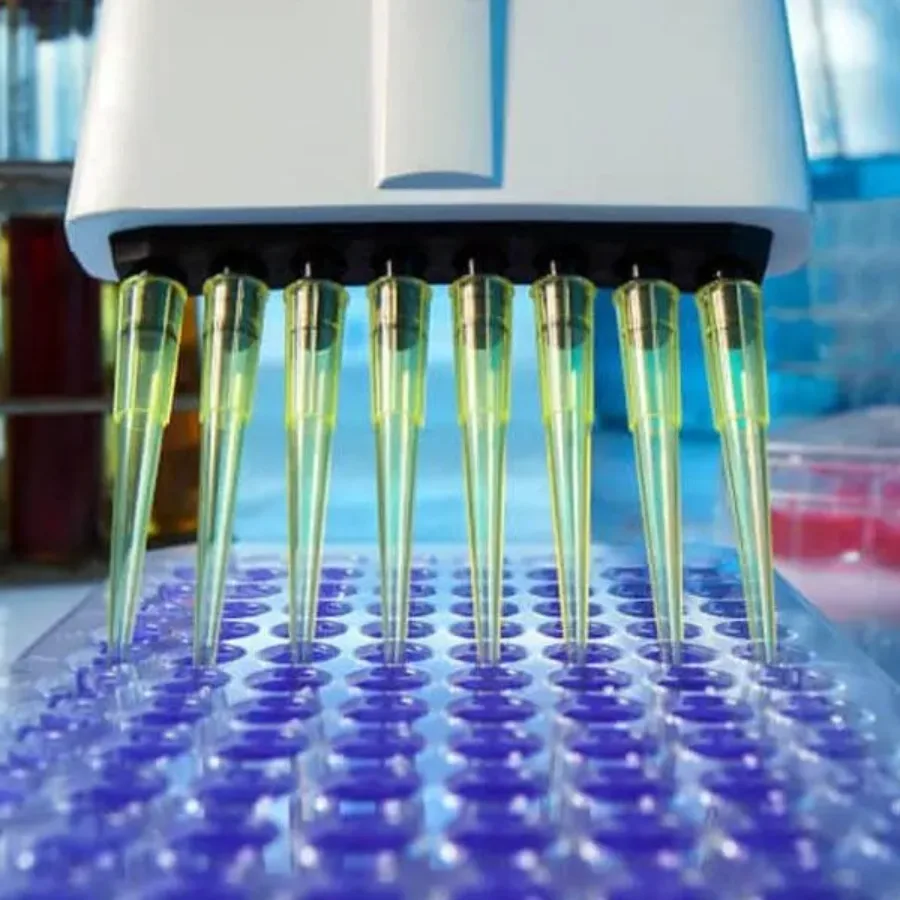
A biomarker is a defined characteristic that is measured as an indicator of normal biological processes, pathogenic processes, or biological responses to an exposure or intervention, including therapeutic interventions(1). With the development of innovative and personalized therapies, biomarker tracking is increasingly important to support the clinical development…
 Blogs
Blogs
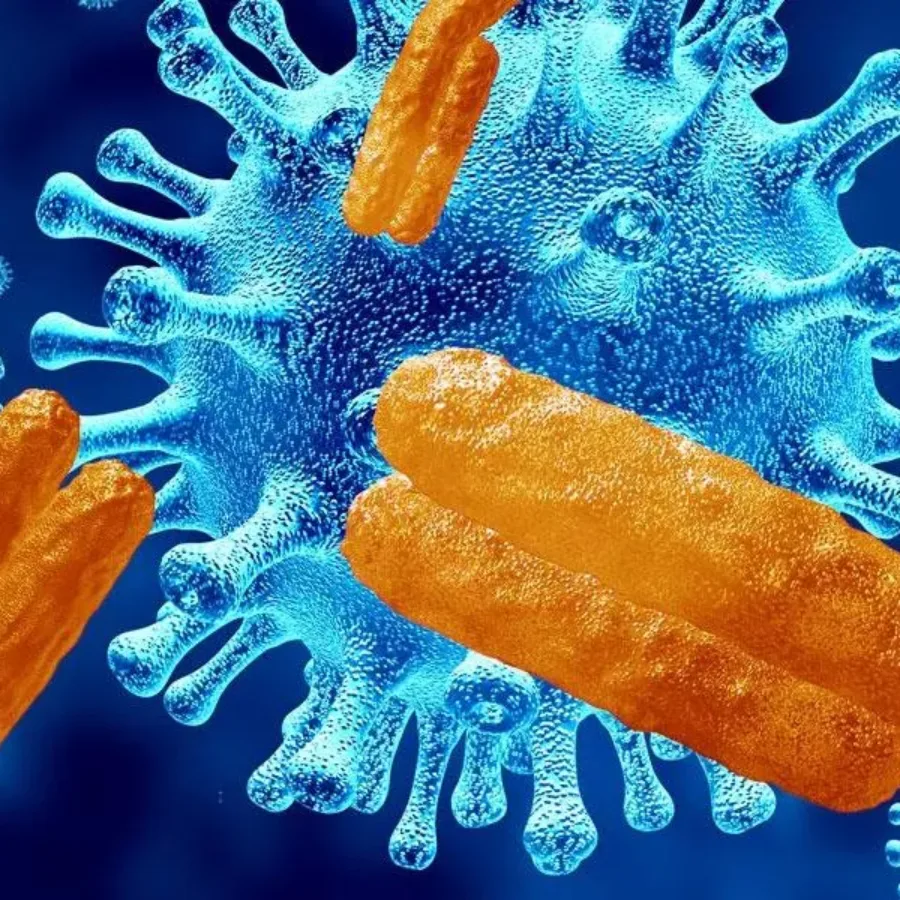
Biologics are drugs derived from complex molecules like antibodies. Over the last two decades they have re-emerged…
 Blogs
Blogs
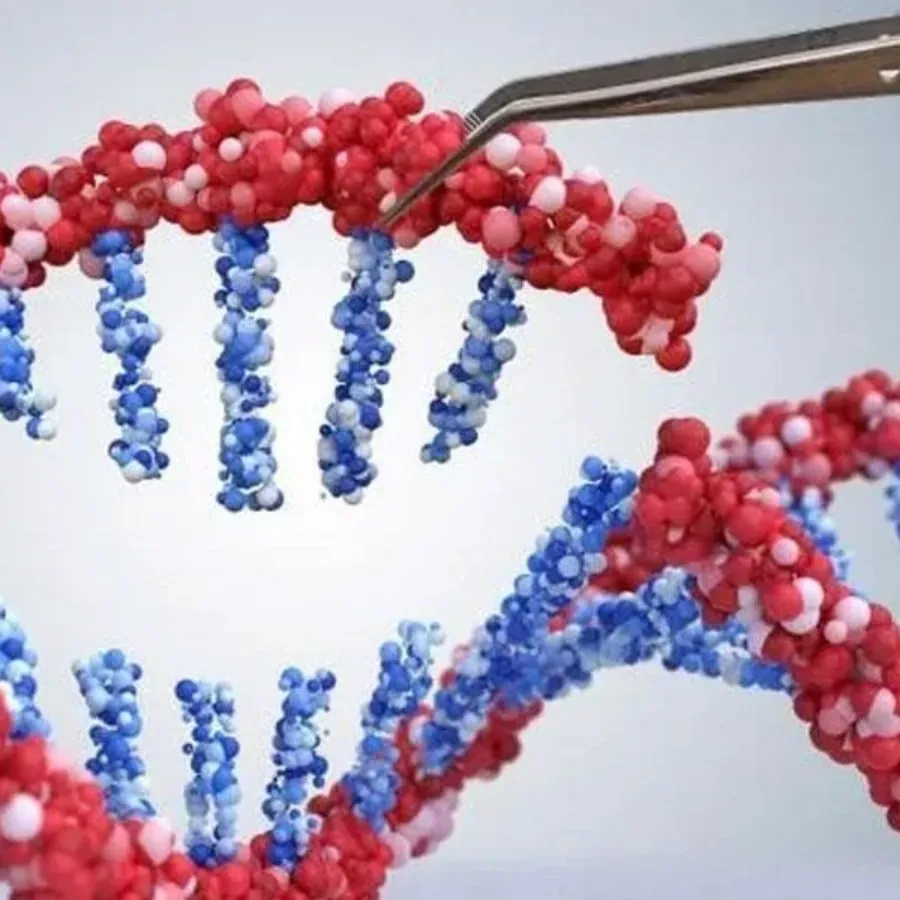
Cell and Gene Therapies (CGTs) has an estimated market size value in 2022 of USD 8.22 billion and a revenue forecast in 2030 of USD 24.5 billion. This is a CAGR (compound annual growth rate) of 14.6% from 2022 to 2030. Needless to say, the…
 Blogs
Blogs
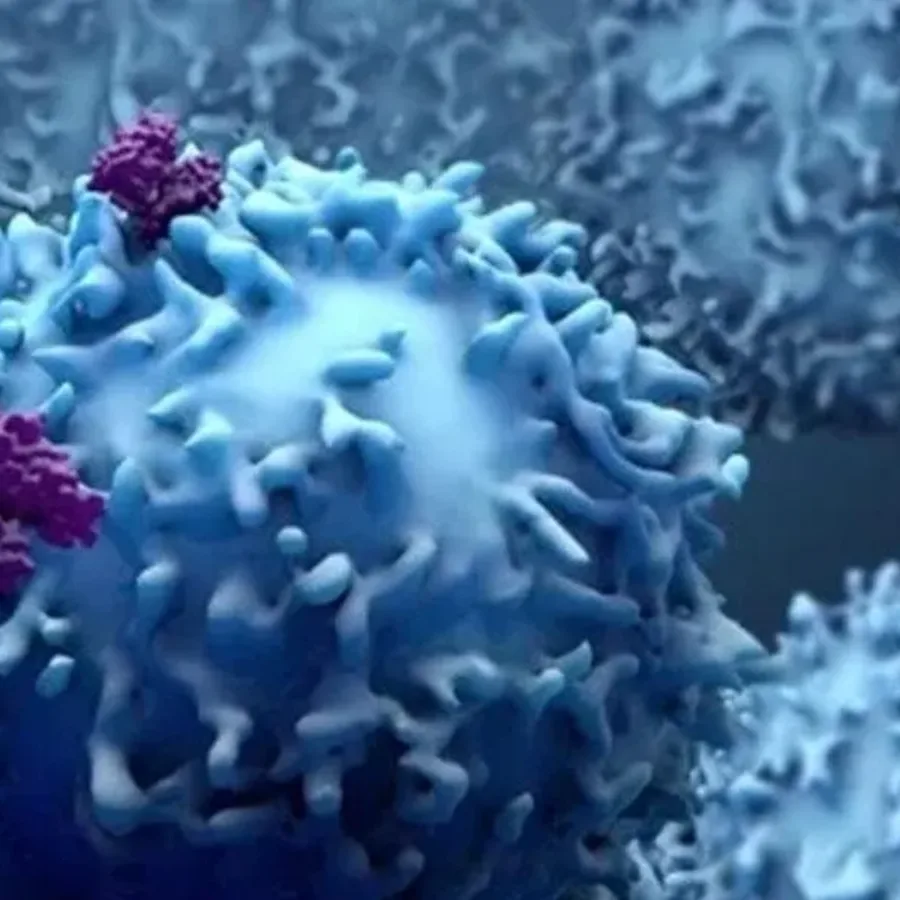
Due to its ability to analyze multiple parameters across different cell types within a sample, flow cytometry provides rich and clinically valuable data sets from even small volumes of blood. However, flow cytometry is a challenging platform to master, and requires significant investment in equipment and technical training.
 webinars
Being produced by Xtalks on Friday, June 24, 2022 | 12pm EDT (NA) / 5pm BST (UK) / 6pm CEST (EU-Central) 60 min Webinar Description: Cell and gene therapies (CGTs) are types of treatment that use cellular or genetic material with the goal of treating a disease or a…
 Blogs
Blogs
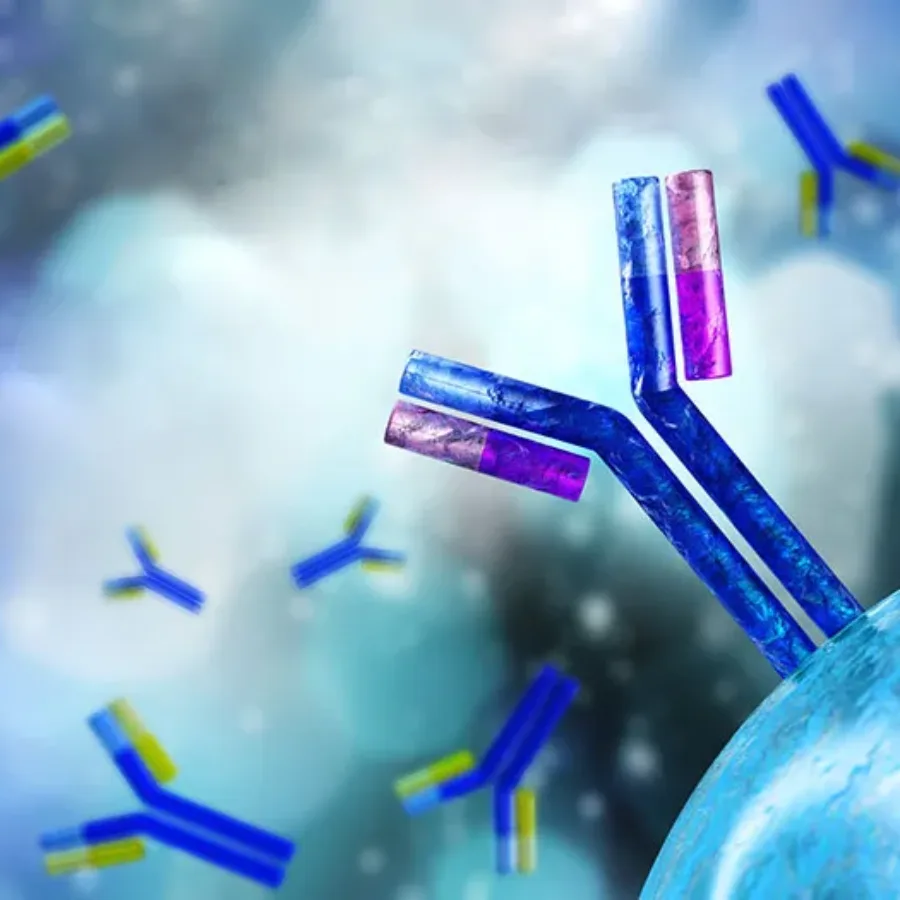
Flow Cytometry utilizes fluorescently labeled antibodies to detect specific biomarkers on the surface and within cells, and over the past few years, there has been a surge in reagents available for flow cytometry applications. Most of these have been developed using monoclonal antibodies raised in mice and conjugated to a range of fluorophores. However, there are still instances where suitable monoclonal antibody reagents/conjugates are not commercially available, and small-scale conjugations are not practical. In these instances, so-called indirect staining may be employed, where the binding of an unconjugated primary antibody is detected using a secondary anti-IgG antibody conjugate.
 Blogs
Blogs
As a Senior Director for Discovery in the pharma division at KCAS, I would like people to think of “Bioanalytical Discovery” as a stage in drug development; one where you are doing your final…
 Blogs
Blogs
Tissue and Non-Liquid Matrices (such as cell lines, red blood cells, PBMCs, bone marrow aspirates, and suspension cells) are valuable matrices[] to test for biomarkers (PD) and drug levels (PK). Testing of tissues and…
 Blogs
Blogs
Pharmacodynamics (PD) is defined as the study of the biochemical and physiological effects of drugs and the mechanisms of their actions. Where pharmacokinetics looks at how the organism processes the drug, pharmacodynamics studies…
 Blogs
Blogs
Biomarkers are key drivers in the drug development process. Frequently, developing a panel of biomarkers to test a particular mechanism or hypothesis is critical to the success of a drug. At KCAS, we develop assays for custom panels or individual biomarkers based on client needs and can also assist with…
 Blogs
Blogs
Biomarker is a broad term and can mean so many different things depending upon the scientific discipline. For Bioanalytical biomarker analysis – and specifically for CROs equipped with 9 different platforms to measure biomarkers and a cell culture suite with up to 19 color flow cytometry all under one roof…
 Blogs
Blogs
Biomarker are key drivers in the drug development process. Frequently, developing a panel of biomarkers to test a particular mechanism or hypothesis is critical to the success of a drug. At KCAS, we develop assays for custom panels or individual biomarkers based on client needs and can also assist with…