 Blogs
After an open call that went out earlier this year, Shane De Büchel, Sr Manager of Quality Assurance (Compliance & Systems) at KCAS, has been selected as one of roughly 50 members of the Society of Quality Assurance to collaborate in authoring an upcoming data integrity book (the…
 Blogs
With the extensive advances in technologies like CRISPR and CAR-T, cell and gene therapy has grown to become a viable way for treating Cancer as well as other diseases. Our team has over 100+ years of collective expertise in molecular services using qPCR and ddPCR for support of…
 Blogs
Dr. Sohrab Habibi Goudarzi – Senior Director of Pharma Discovery and R&D Services, Bryan Parmentier – Senior Principal Scientist of Pharma Method Development, and Yu-Hui (Ann) Fu -Principal Scientist of Pharma Regulatory, along with other scientists at KCAS Bioanalytical & Biomarker Services, coauthored with scientists at Gilead Sciences, Inc. in…
 Blogs
Immunotherapy research is a rapidly expanding field with a pipeline of monoclonal antibodies in development to treat a range of cancers and autoimmune diseases. The mechanism of action (MOA) used by an antibody to mediate a therapeutic response must be fully defined to enable a candidate antibody to advance down the preclinical development pipeline. It is also required for all antibodies used in clinical research and regulatory IND filings in order to optimize dosing and assess the risk of detrimental side effects.
 Blogs
Have you ever wondered why certain experiments are done under GLP (good laboratory practices) conditions? GLP is a term that is used frequently in preclinical research, and are a set of guidelines that act as a management control for research laboratories and organizations to ensure the uniformity, consistency, reliability, reproducibility, quality, and integrity of chemicals (including pharmaceuticals) for non-clinical safety tests[1]. Sometimes it’s hard to understand when and why protocols must be done under GLP conditions. In general, GLP conditions must be maintained when an experimental drug or biologic may be used ultimately in humans and will need to be evaluated by regulators like the FDA.
Drugs and biologics in the research pipeline must undergo stringent preclinical toxicology and safety assessments before use in a clinical trial. Most traditional preclinical toxicology screenings include testing in animal models in order to define toxicological and pharmacological parameters that are critical to determining appropriate dosing such as maximum tolerated dose (MTD).
 Blogs
Flow cytometry has been developed and used as a clinical tool since the invention of the first cytometers in the 1970s. At present, flow cytometry is considered essential for many routine clinical diagnostics, including assays for leukemia and lymphoma, stem cell enumeration, solid organ transplantation, HIV infection status, immunodeficiencies, and hematologic abnormalities. Many scientists involved in clinical trials or drug development are faced with developing clinical flow cytometry assays for multiple phases of clinical development. If you find yourself starting to plan a clinical flow cytometry assay, here are the top 3 issues to think about as you plan your experiment.
 Blogs
Toxicology screening is essential to any preclinical study, and flow cytometry-based toxicology assays are a fast and practical approach. Different animal models are used for toxicology studies, including rodents, dogs and non-human primates. One commonly used technique is the micronucleated erythrocyte endpoint assay, which measures DNA damage induced by exposure to experimental drugs or biologics. This method has been adapted into a validated flow cytometry-based assay and can use erythrocytes from different species. Consider these factors when selecting the best toxicology screening method.
 Blogs
Many scientists performing preclinical and clinical research hit a point when they need to have an assay validated. You may have painstakingly developed and perfected a particular assay, but now you must put it through the rigors of validation for it to be considered a “validated assay.” The basic principles of assay validation were described in an earlier blog post, but how do you know you if you need an assay validated? Use these questions as a guide to help you figure out your validation situation and get a little less vexed about validation.
 Blogs
Many basic and clinical immunology studies that focus on T cells include proliferation assays in order to determine if T cells are capable of proliferating under different in vitro or in vivo conditions. Flow cytometry is the ideal approach for measuring T cell proliferation and a suite of staining products…
 Blogs
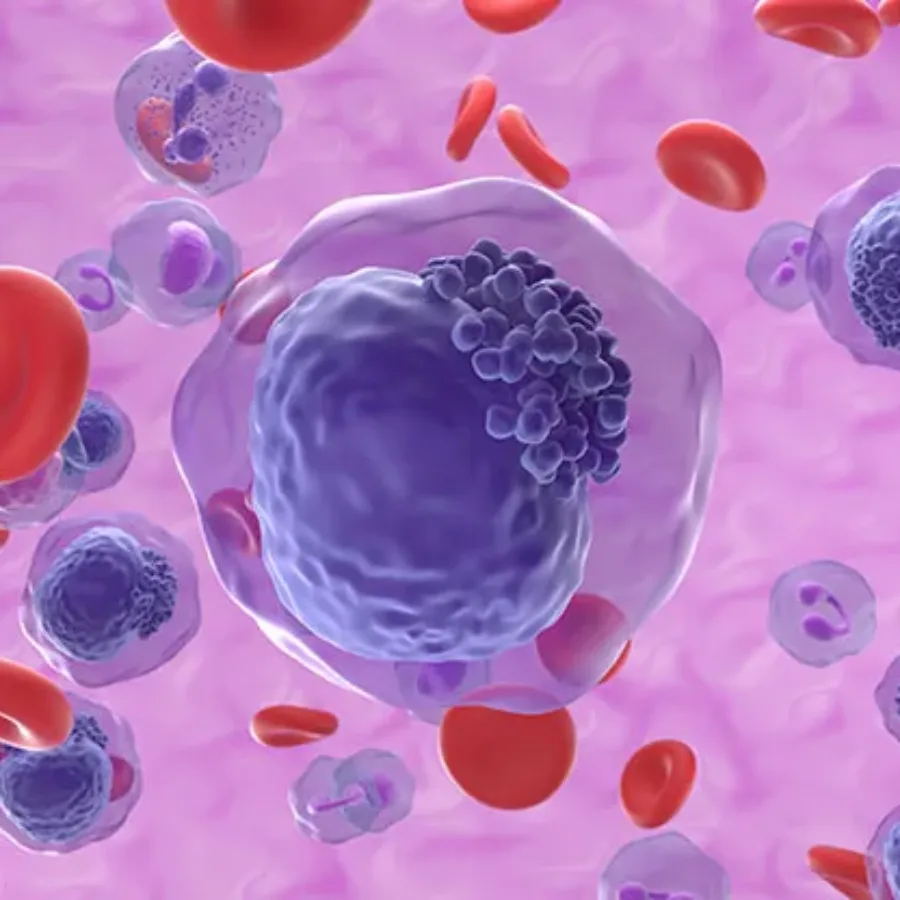
Anyone who starts an investigation of acute myeloid leukemia (AML) soon finds out the complexity of this disease. Although daunting initially, it soon becomes apparent the need for complex classifications for AML subtypes and different mechanisms for formation. AML forms from a wide variety of DNA mutations leading to numerous phenotypic changes in the blood makeup. Early on there were the French-American-British classifications in the 1970s (FAB) but in present day, AML type is being broken down to genetic markers. For the most part, this is due to the advancement of scientific-technical capability. Conversely, being able to clearly define AML by mechanistic function, allows for clinicians to state, with some certainty, treatment and survival options for their patients.
 Blogs
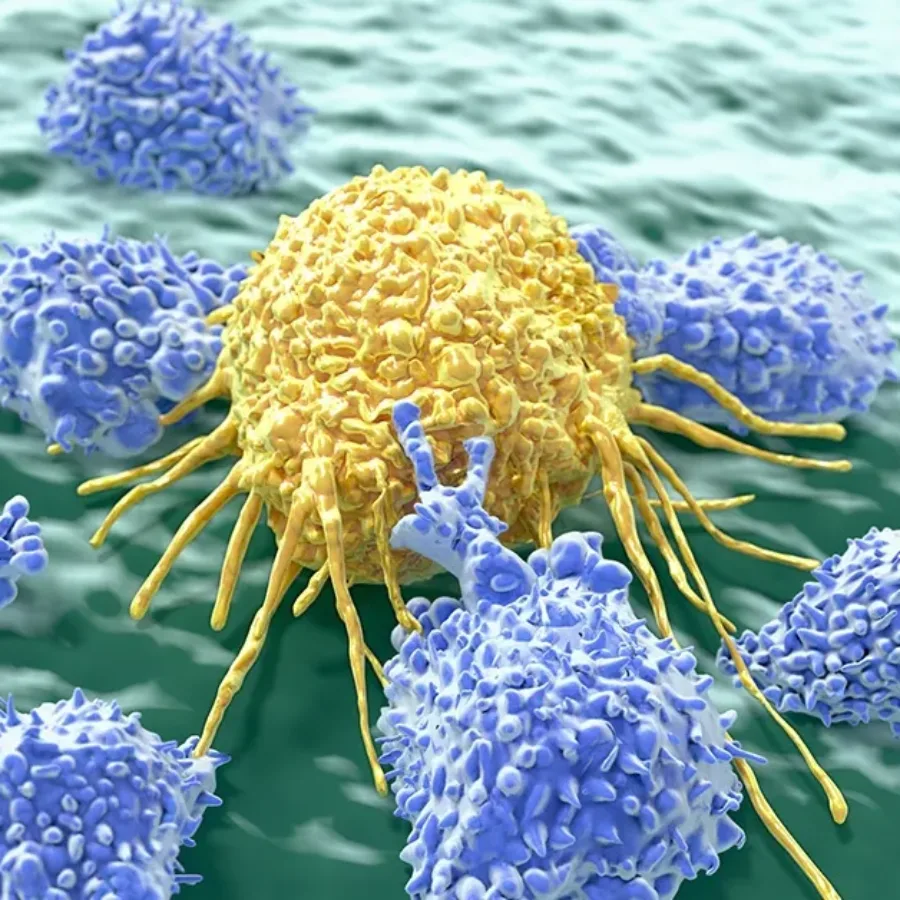
Tumor-infiltrating lymphocytes (TILs) are now understood to be key players in anti-tumor responses. These cells are found in solid tumors such as those observed in breast cancer, ovarian cancer, melanoma, and lung cancer. TILs have now been harnessed to treat cancer through adoptive cell therapy protocols. As TILs are a major area of focus for both basic and clinical research, flow cytometry applications for identifying and characterizing TILs are increasingly important. Consider these key points if you are pursuing TIL research and plan to use flow cytometry.