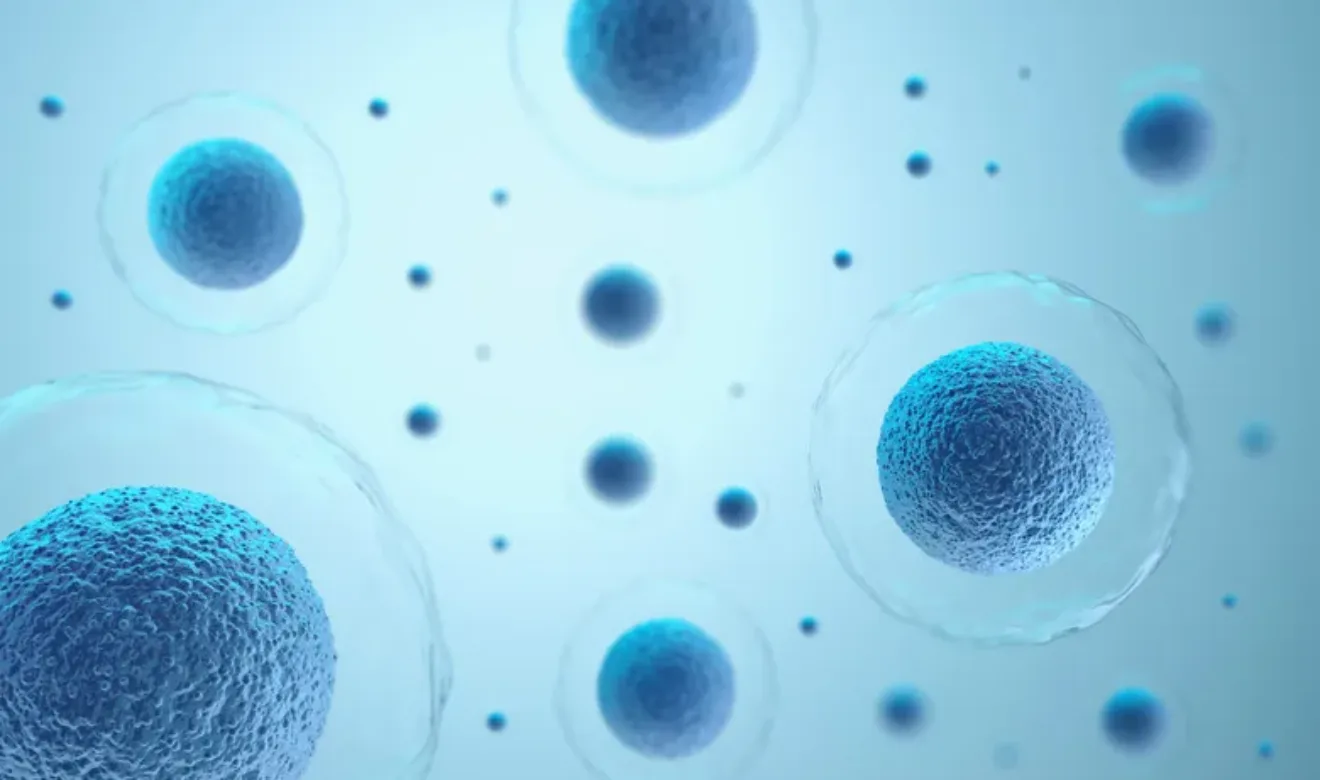
Cell-based assay services
We provide GLP and non-GLP cell-based assay services to characterize the functional immune responses driving safety, efficacy, and immunogenicity throughout drug development. From flow cytometry and PBMC processing to ELISpot and neutralizing antibody assays, our purpose-built BSL-2 laboratories and experienced scientists deliver reproducible, regulatory-ready data across every phase of your program.

What are cell-based assay?
Cell-based assays use living cells to measure a biological response, rather than simply detecting the presence or concentration of a molecule in isolation. By exposing cells to a drug candidate, antigen, or antibody and observing how they respond, through changes in viability, proliferation, signaling, cytokine release, or gene expression. These assays provide a functional readout of biological activity.
At KCAS Bio, our cell-based assay capabilities include:
- Immune cell phenotyping and characterization using flow cytometry
- PBMC isolation and handling to support downstream functional testing
- Antigen-specific T-cell response quantification using ELISpot
- Neutralizing antibody (NAb) assays to assess the functional impact of an immune response
- Cytokine release quantification and CRS risk assessment — increasingly critical for T-cell engagers, CAR-T therapies, and other immune-activating biologics
- T-cell activation and proliferation assessment
- Antigen-specific T-cell detection using tetramer/pentamer staining
These assays give sponsors the tools to answer questions that binding assays alone cannot: does a therapeutic engage its target and trigger the intended effect, does an antibody neutralize a virus or biologic, and how does the immune system respond over time.
Much of this work is conducted in our purpose-built BSL-2 laboratories, providing the containment and controls needed to safely handle live cells, viral reagents, and other biologically active materials.

Your molecule, our expertise. Let KCAS Bio help with your cell based-assay.
Our cell-based assay capabilities
From immune profiling to functional response testing, our assays are designed to capture how cells actually behave, giving sponsors the depth of insight needed to support decisions from early discovery through regulatory submission.
Flow Cytometry
Flow cytometry lets us characterize and quantify cell populations one cell at a time, measuring size, granularity, surface and intracellular markers, viability, and functional state across multiple parameters simultaneously.
We use flow cytometry to support:
- Immunophenotyping — identifying and quantifying lymphocyte subsets (T cells, B cells, NK cells) and their activation, exhaustion, or differentiation states
- Cell counting and viability assessment for dosing, release, and stability studies
- Intracellular cytokine staining to characterize functional immune responses
- Receptor occupancy and target engagement to confirm a therapeutic is binding its intended target
- Apoptosis, proliferation, and cytotoxicity assays, including T-cell activation and proliferation assessment (e.g., CFSE dilution, MLR)
- Tetramer/pentamer staining for antigen-specific T-cell detection
- Multiplexed biomarker panels optimized for your specific molecule, indication, or study design
Every panel is built with careful attention to antibody titration, fluorophore selection, gating strategy, and appropriate controls, and we support assays from exploratory testing through full method validation.
PBMC Isolation and Handling
Many of our cell-based assays start with peripheral blood mononuclear cells (PBMCs), and everything downstream depends on how well those cells were isolated, handled, and preserved.
We isolate PBMCs from whole blood or leukopak material by density gradient separation, using standardized protocols to maximize yield and viability and minimize variability between donors and runs. Our handling practices cover:
- Time-to-process controls from blood draw to isolation
- Standardized cryopreservation and controlled-rate freezing
- Post-thaw viability and recovery assessment
- Rest and recovery culture prior to functional assays, where appropriate
- Chain-of-custody and sample tracking from receipt through reporting
ELISpot
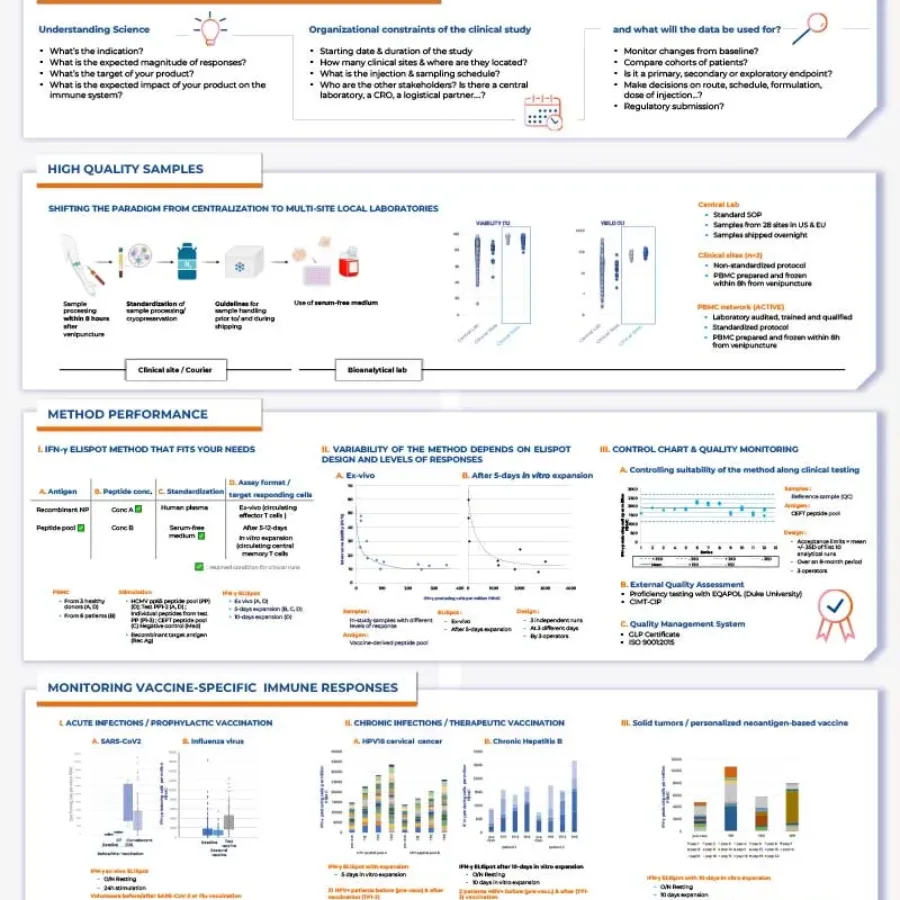
ELISpot (Enzyme-Linked ImmunoSpot) measures antigen-specific cellular immune responses at the single-cell level, counting individual responding cells rather than bulk cytokine concentration, for example, how many T cells in a population secrete IFN-γ in response to a specific antigen.
We use ELISpot to support:
- T-cell response and immunogenicity assessment for vaccines and biologics
- Cell-mediated immunity monitoring in infectious disease and oncology programs
- Cytokine-specific and multi-cytokine panels
- Antigen-specific response profiling across patient cohorts or vaccination timepoints
Its single-cell resolution makes it especially valuable for detecting rare antigen-specific populations that bulk assays like ELISA can miss, and we pair it with standardized plate-reading and spot-counting to keep data consistent across studies.
Neutralizing Antibody (NAb) Assays
NAb assays determine whether anti-drug antibodies (ADAs) generated against a biologic or vaccine antigen actually block biological activity, not just bind to the target — a distinction that matters for immunogenicity assessment, since binding ADAs confirm a response occurred while neutralizing antibodies confirm it has functional consequences for efficacy or safety.
Our NAb capabilities include:
- Cell-based neutralization assays measuring inhibition of a biological readout (e.g., reporter gene activity, cytopathic effect, signaling pathway activation)
- Competitive ligand-binding NAb assays where cell-based formats aren’t practical
- Assay formats designed and validated per current regulatory guidance for immunogenicity testing
- Titer determination, cut-point analysis, and confirmatory/specificity testing
- Support across the immunogenicity risk-based testing paradigm — screening, confirmatory, and titer assays
NAb assay development is highly molecule-specific, and we work with sponsors to select and optimize the format best suited to mechanism of action, matrix, and sensitivity requirements.
Cytokine Release Assays
Cytokine release assays quantify the cytokines secreted by immune cells in response to a therapeutic candidate, providing critical risk assessment for cytokine release syndrome (CRS) — a key safety consideration for T-cell engagers, CAR-T therapies, and other immune-activating biologics.
We support:
- In vitro cytokine release testing across multiple assay formats (e.g., solution-phase, plate-bound, PBMC-based)
- Multiplex cytokine quantification to characterize the breadth and magnitude of a response across various LBA platforms
- Assay designs tailored to the target, mechanism, and clinical risk profile of your molecule
Purpose-Built BSL-2 Laboratories
Much of our cell-based work live PBMC handling and other biologically active materials requires containment beyond standard lab space.
Our BSL-2 laboratories are purpose-built for this work, with the engineering controls, biosafety cabinets, and SOPs needed to handle biological samples safely and consistently.
Running this work in dedicated BSL-2 space means:
- Appropriate containment for live cells, viral reagents, and other biohazardous materials
- Consistent environmental controls that support assay reproducibility
- Clear segregation of workflows to protect sample integrity
- Staff trained and credentialed in biosafety practices specific to BSL-2 work
We have advanced technology to move your science forward. Speak with a KCAS Bio expert now.
Cell-based assays FAQs
What's the most common mistake sponsors make when planning PBMC-based studies?
Underestimating how sensitive functional assays are to pre-analytical variability. Decisions made well before the assay — blood collection tubes, time from draw to processing, freeze-thaw protocols, cryopreservation method — can compromise cell viability and functionality in ways that are difficult or impossible to correct for later. Involving your CRO early, before sample collection even begins, is the best way to avoid building variability into a study from the start.
ELISpot vs. flow cytometry with intracellular cytokine staining. Which to use?
Both measure cytokine-producing cells, but they answer slightly different questions. ELISpot offers higher sensitivity for detecting rare, low-frequency antigen-specific responses and gives a simple frequency count. Flow cytometry with intracellular staining is lower throughput per cell but provides much richer data — you can simultaneously characterize which cell subset is responding, its activation state, and multiple cytokines at once. If you need maximum sensitivity for a single readout, ELISpot is often preferred; if you need multiparametric characterization of the responding cells, flow is the better fit.
What's the difference between a binding antibody assay and a NAb assay?
A binding assay (like ELISA) tells you whether an anti-drug antibody (ADA) was generated and bound to the therapeutic — it confirms an immune response occurred. A NAb assay goes a step further, telling you whether that antibody actually blocks the drug’s biological activity. This matters because not all ADAs are neutralizing: a patient can have a positive binding response with no impact on drug efficacy, or a neutralizing response that meaningfully reduces it.
Do I need BSL-2 containment for my study?
If your program involves live PBMC handling or other biologically active or infectious materials, BSL-2 containment is typically required — both for safety and to maintain the environmental consistency needed for reproducible results. If you’re unsure whether your specific assay or reagents require this level of containment, it’s worth discussing with your CRO before study design is finalized.
Why are my flow cytometry results showing high variability between runs?
Variability is often introduced upstream of the instrument — in PBMC handling rather than the assay itself. Inconsistent time-to-process from blood draw to isolation, freeze-thaw damage, poor post-thaw viability, or insufficient rest/recovery culture before staining can all skew downstream results. Panel-level issues (antibody lot changes, compensation drift, gating inconsistency) are the next most common culprit. A structured root-cause review of both the pre-analytical (sample handling) and analytical (panel/instrument) steps is usually needed to pinpoint the source.
Additional resources
 Posters & Papers
Discover here KCAS Bio’s work on monitoring the immunogenicity of a vaccine candidate by ELISpot.
 Blogs
Blogs
What Are Neutralizing Antibody (NAb) Assays? Neutralizing antibodies (NAbs) are a subset of anti-drug antibodies (ADAs) that play an important role in evaluating the immunogenicity, safety, and efficacy of a drug product. For a deeper dive into ADA assays and their role in preclinical immunogenicity assessment, see our…
 Blogs
Blogs
Background on the cancer vaccine program A clinical-stage biotech company approached KCAS Bio to support their oncology immunotherapy program, a first-in-class cancer vaccine leveraging pathogen-derived peptide sequences sharing high homology with disease-associated protein variants expressed in cancer cells. The sponsor wanted to monitor and characterize vaccine-specific immune responses, evaluate…

Tell us how we can help with your project
We've earned our reputation for delivering reliable, error-free data. We understand the importance of speed, flexibility, and consistency and only make promises we can keep.