
Vaccine Development Support
We provide integrated, regulated bioanalytical support for vaccine development across viral vector, protein subunit, peptide, DNA, mRNA, and recombinant vaccine platforms. Our services combine cell-based assays (flow cytometry, ELISpot) with molecular and large-molecule bioanalysis to quantify antibody titers, functional humoral responses, and cell-mediated immunity, supporting confident evaluation of vaccine efficacy, safety, and durability from early research through clinical development.

What is vaccine development support?
Our comprehensive immunology expertise drives the generation of high-quality, regulatory-ready data, helping vaccine innovators demonstrate immunogenicity, validate efficacy, and ensure safety at every stage from discovery to clinical development.
Our Vaccine Bioanalysis Capabilities:
-
Humoral immune response analysis: ELISA and Ligand-Binding Assays (LBA) to quantify antigen-specific IgM/IgG titers and define correlates of protection.
-
Cellular immune response profiling (flow cytometry, ELISpot): Identification and quantification of vaccine-activated T cells, cytokine-producing subsets, and memory phenotypes.
-
Functional immunity testing: Evaluation of proliferation and cytotoxic activity (CD8⁺ T cells, CD107a, granzyme, perforin) to characterize cell-mediated mechanisms.
-
Cytokine and chemokine biomarker panels: Analysis of soluble immune biomarkers/mediators associated with protection or reactogenicity.
-
Molecular assays: Quantification of viral or vector nucleic acids and gene expression markers to support mechanistic and pharmacodynamic insights.
-
Antibody characterization and large-molecule bioanalysis: Measurement of antigen-specific B cells and antibody effector functions (CDC, ADCC, ADCP).
-
Immunogenicity testing: Integrated detection of ADA and neutralizing antibodies to assess vaccine-induced and unintended immune responses.
-
Central lab services: Streamlined sample management, logistics, and regulated reporting under global quality standards.
With deep experience across vaccine modalities and immune monitoring platforms, we help sponsors move from data to decision faster — enabling confident submission and accelerated time to market.

Your molecule, our expertise. Let KCAS Bio help with your for vaccine development support.
Capabilities and tools for vaccine development support
We combine robust assays like flow cytometry, LBA, and ELISpot with specialized tools such as LC-MS and molecular biology, to deliver comprehensive immune monitoring and vaccine characterization from discovery through clinical development.
Ligand Binding Assays
Ligand-binding assays (LBA) for the quantification of antigen-specific antibodies (IgM, IgG titers) and correlates of protection using ELISA and multiplex platforms
ELISpot
ELISpot for the detection and enumeration of cytokine-secreting cells (IFNγ, IL-2, IL-4 etc.) to measure vaccine-induced T-cell responses.
Flow Cytometry
Flow cytometry for the deep phenotyping and functional analysis of immune cells, including antigen-specific T cells, memory phenotypes, activation markers, and cytotoxic effectors.
Molecular Biology
Molecular biology services with qPCR/RT-qPCR for vector nucleic acid quantification, gene expression analysis, and pharmacodynamic endpoints.
LC-MS/MS
LC-MS/MS for physicochemical characterization, quantification of vaccine antigens/proteins, impurity profiling, and potency assays.
Technology and instrumentation for for vaccine development support
Our laboratories are equipped with state-of-the-art instrumentation to provide ultimate sensitivity for for vaccine development support.
We have advanced technology to move your science forward. Speak with a KCAS Bio expert now.
Vaccine development support FAQs
What types of vaccines do you support?
We provide bioanalytical support across all vaccine platforms, including mRNA, DNA, viral vector, recombinant protein, and peptide vaccines. Whether you’re optimizing early formulations or conducting late-phase immunogenicity studies, our integrated service model adapts to your program’s needs from preclinical through clinical stages.
How do you ensure data quality and regulatory compliance?
We operate under GLP, GCLP, and GxP-compliant quality frameworks, depending on regulatory and program requirements. Our teams follow global regulatory principles and expectations (FDA, EMA, WHO) to generate reliable bioanalytical data packages that meet submission standards and support informed decision-making at every development stage.
What differentiates your CRO in vaccine bioanalysis?
Our strength lies in end-to-end immune monitoring expertise, combining advanced ligand-binding and flow cytometry platforms with a deep understanding of vaccine immunology. Sponsors partner with us for our scientific consultation, assay development experience, and reliable turnaround that accelerate time-to-decision and reduce development risk.
Can you customize assays or develop new methods for my vaccine program?
Absolutely. We offer fit-for-purpose assay development and validation tailored to your platform, target, and endpoints. Our scientists collaborate closely with sponsors to design immunogenicity, functional, or molecular assays that meet both scientific and regulatory objectives while ensuring reproducibility and scalability.
Additional resources
 Blogs
Blogs
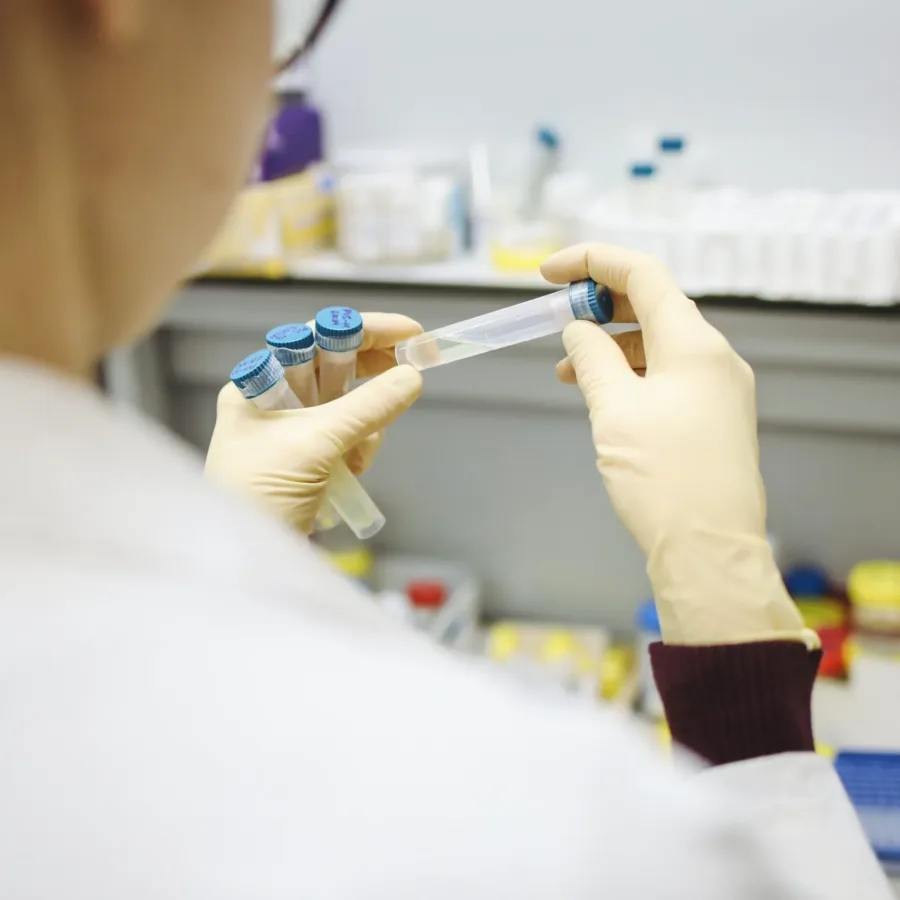
There is no question that the discovery of vaccines spearheaded the path of modern medicine and in so doing, eradicated at least two diseases, smallpox, and rinderpest from the global population. Today’s modern vaccines are being developed not only to tackle infectious diseases but also for the treatment and prevention of autoimmune diseases and cancers. Whereas vaccines for infectious diseases and cancer are designed to provoke a specific Th 1-driven immune response to target and reject the tumor or pathogen, vaccines driving Th 2 responses appear to be the best at targeting autoimmune diseases. Understanding the driving factors behind these underlying responses is central to the development of safe and effective vaccines, and flow cytometry provides unprecedented clarity on how the immune system responds to different vaccine strategies.
 Blogs
Blogs
Initially developed to assess the frequency of circulating antigen-specific Antibody-Secreting Cells (ASC), ELISpot has become a vital tool for quantifying antigen-reactive T-cells by measuring secreted immune mediators such as cytokines or key molecules involved in cell-mediated cytotoxicity. Compared to other assays for monitoring cell-mediated immunity (CMI), such as…
 Posters & Papers
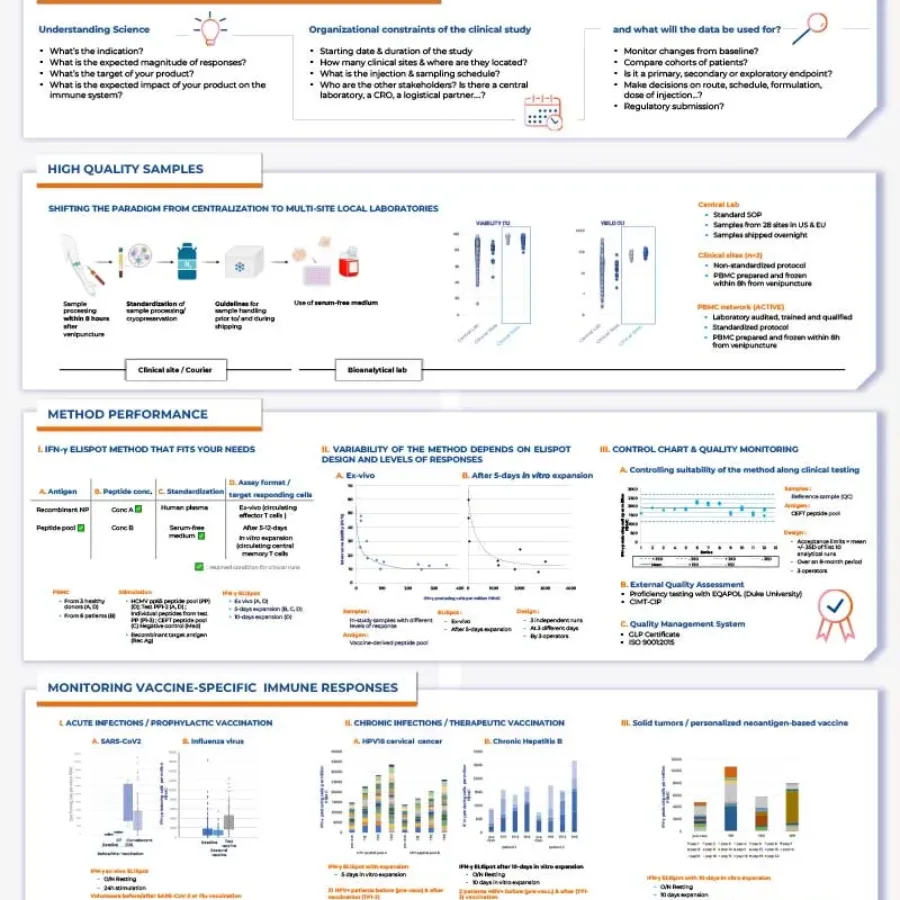
Discover here KCAS Bio’s work on monitoring the immunogenicity of a vaccine candidate by ELISpot.

Tell us how we can help with your project
We've earned our reputation for delivering reliable, error-free data. We understand the importance of speed, flexibility, and consistency and only make promises we can keep.