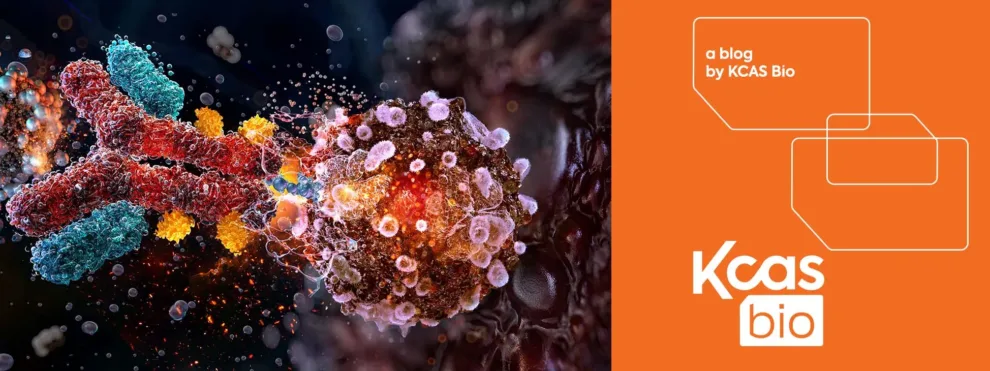

Over the past decade, drug conjugates have emerged as one of the most important innovations in pharmaceutical development. Rather than relying on a drug molecule to find its target on its own, conjugation technologies allow scientists to attach therapeutic payloads to carriers that improve delivery, targeting, stability, and efficacy. The result is a new generation of medicines that can be more potent, more selective, and often safer than traditional therapies.
By combining the strengths of multiple therapeutic components into a single molecule, drug conjugates can improve efficacy while reducing systemic exposure and off-target effects. This versatility has fueled the rapid growth of conjugate-based therapeutics across oncology, rare diseases, and emerging genetic medicine applications.
What Is a Drug Conjugate?
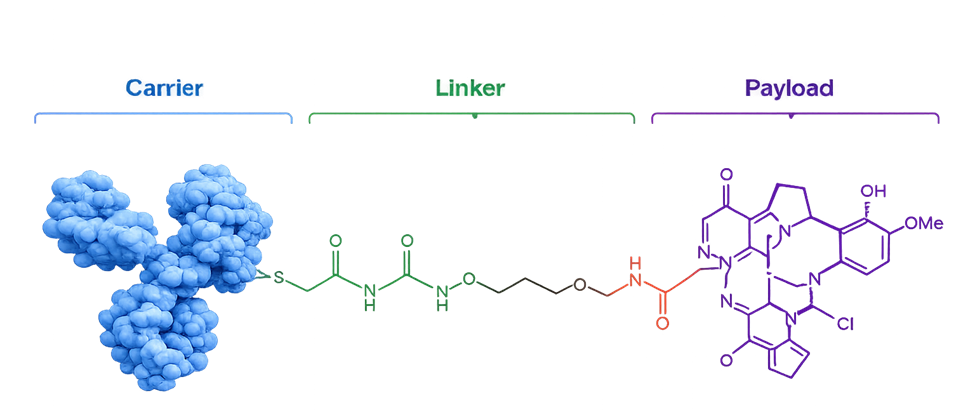
A drug conjugate is created by chemically linking a therapeutic payload to a carrier molecule through a specialized linker. The carrier serves as a delivery vehicle, improving the distribution, targeting, or pharmacokinetic properties of the therapeutic payload. Once the conjugate reaches its destination, the linker releases the active drug under predetermined conditions.
The basic design can be summarized as:
Carrier → Linker → Therapeutic Payload
The choice of carrier, linker, and payload determines how the drug behaves in the body and ultimately drives its clinical performance.
The Importance of Linkers
A linker is the component that connects the carrier and therapeutic payload, making it one of the most critical elements of any drug conjugate. In antibody-drug conjugates (ADCs) and other targeted therapies, linker design directly influences drug stability, payload release, efficacy, and safety.
The primary role of a linker is to keep the payload attached while the conjugate circulates through the body and then release it at the intended site of action. If a linker releases the payload too early, off-target toxicity may occur. If it is too stable, insufficient drug may be released to achieve the desired therapeutic effect.
Linkers are commonly classified as cleavable or non-cleavable, with each approach offering distinct advantages depending on the therapeutic strategy. As drug conjugate technologies continue to evolve, advances in linker chemistry remain a key driver of improved performance and clinical success.
Antibody-Drug Conjugates (ADCs): The Leading Success Story
Antibody-drug conjugates (ADCs) represent the most commercially successful conjugation platform today. ADCs combine the targeting specificity of monoclonal antibodies with highly potent cytotoxic drugs. The antibody selectively binds to a tumor-associated antigen, allowing the toxic payload to be delivered directly to cancer cells while minimizing damage to healthy tissues.
Recent successes such as Enhertu, Kadcyla, and Trodelvy have demonstrated the enormous clinical and commercial potential of antibody-drug conjugates, helping establish ADCs as one of the fastest-growing areas in oncology drug development.
Beyond ADCs: The Expanding Landscape of Drug Conjugates
While ADCs dominate headlines, numerous other conjugate modalities are rapidly advancing through development.
Antibody-Oligonucleotide Conjugates (AOCs)
AOCs use antibodies to deliver RNA-based therapeutics such as siRNA and antisense oligonucleotides. These conjugates aim to overcome one of the biggest challenges in nucleic acid medicine: delivering genetic therapies to tissues beyond the liver.
Peptide-Drug Conjugates (PDCs)
Peptides offer a smaller and often less expensive alternative to antibodies. Their size allows improved tissue penetration while retaining targeting capabilities. PDCs are being explored in oncology, inflammation, and targeted intracellular delivery applications.
Small Molecule Drug Conjugates (SMDCs)
SMDCs replace antibodies with small targeting ligands that recognize specific receptors on diseased cells. They can offer improved tumor penetration, simplified manufacturing, and lower production costs.
Antibody-RNA Conjugates (ARCs)
ARCs combine the targeting capabilities of antibodies with RNA-based payloads, enabling the selective delivery of genetic medicines to specific tissues or cell populations. These conjugates are gaining attention as developers seek to improve the precision and therapeutic potential of RNA-based therapies.
Radioimmunoconjugates
These conjugates attach radioactive isotopes to targeting molecules, allowing radiation to be delivered directly to tumors. They are increasingly important in oncology and represent a growing area of precision medicine.
Improving Pharmacokinetics Through Conjugation
Not all conjugates are designed for targeting. Some are intended to improve how drugs behave in the body.
Polymer-Drug Conjugates
Polymer conjugation, particularly PEGylation, has long been used to increase circulation time, reduce immunogenicity, and decrease dosing frequency.
Lipid Conjugates
Attaching fatty acids or cholesterol molecules can enhance cellular uptake, improve tissue distribution, and increase half-life. Lipid conjugation has become especially important in RNA therapeutics.
The Future of Drug Conjugates
Drug conjugation has evolved from a niche formulation strategy into one of the most powerful platforms in modern drug development. Whether delivering cytotoxic agents to tumors, transporting RNA therapeutics into difficult-to-reach tissues, or extending the half-life of biologics, conjugates are redefining what is possible in medicine.
As advances in targeting, linker chemistry, and payload design continue to accelerate, drug conjugates are poised to play an increasingly central role in the development of safer, more effective, and more personalized therapies. As conjugate designs become more sophisticated, bioanalytical strategies must also evolve to accurately characterize complex molecules, measure multiple analytes, and generate the data needed to support development and regulatory decision-making.
Advancing Drug Conjugate Bioanalysis with KCAS Bio
KCAS Bio has extensive experience supporting ADCs, ARCs, AOCs, and other conjugate modalities, including peptide, lipid, and LNP conjugates. With LC-MS/MS, large molecule mass spectrometry, and ligand binding assay (LBA) capabilities under one roof, we help sponsors streamline assay development, simplify sample management, and generate the high-quality data needed to advance drug conjugate programs from discovery through clinical development.