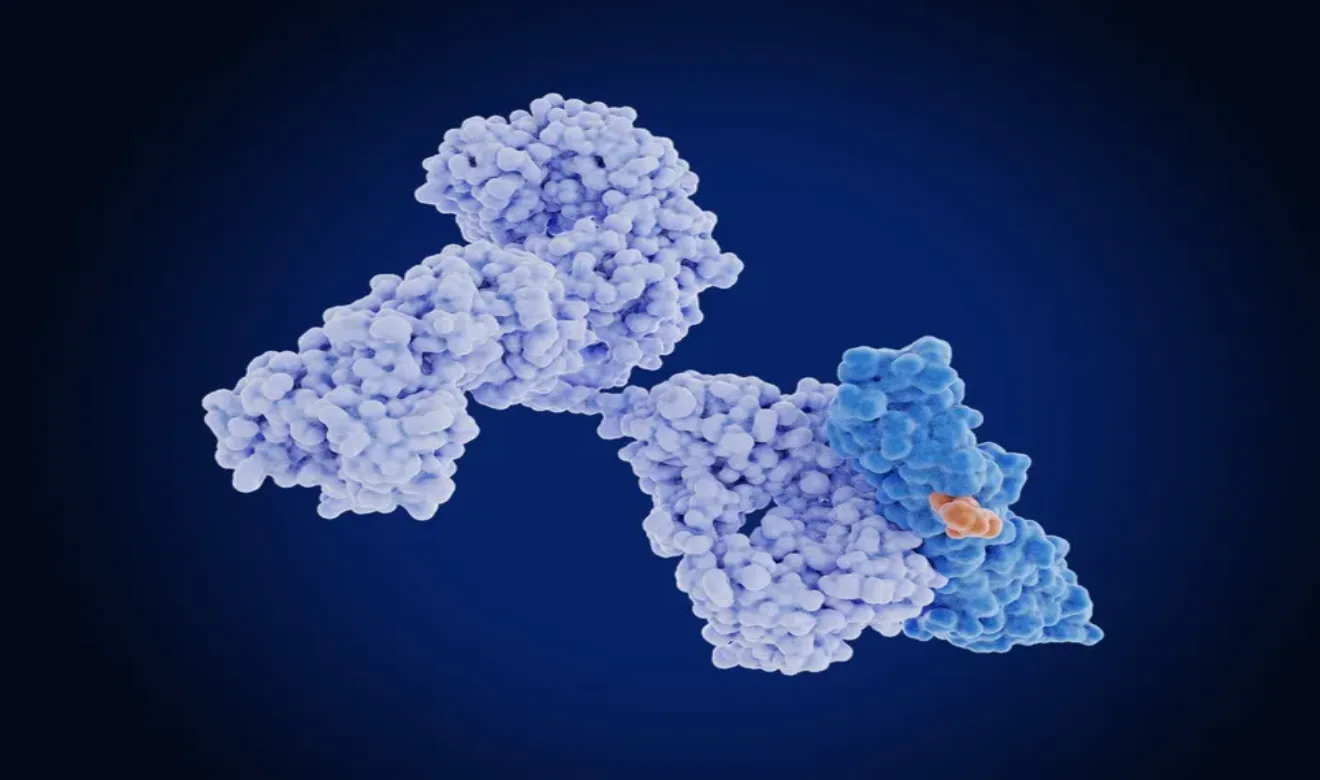
Neutralizing Antibody (NAb) Assays
We provide specialized neutralizing antibody testing – including both cell-based and non-cell-based assays delivering accurate, actionable insights into antibodies that can impact drug safety and efficacy.

What are NAb assays and why they matter?
Neutralizing antibodies (NAbs) are a subset of anti-drug antibodies (ADAs) that can block a drug’s activity, impacting its safety and effectiveness. NAb assays test ADA-positive samples to determine whether antibodies interfere with the drug’s function, providing semi-qualitative results and sometimes titers to assess neutralizing potential. While most drugs pose low NAb risk, high-risk drugs require early testing to guide dosing, manage immunogenicity, and ensure patient safety.
Cell based vs. non-cell-based NAb assays
 Cell-Based NAb Assays?
Cell-based assays use living cells to measure the functional impact of neutralizing antibodies on a drug’s activity. These assays are especially relevant for drugs targeting cellular receptors.
How They Work:
By mimicking the drug’s natural target environment, these assays determine whether antibodies can block the drug from binding to its receptor or inhibit its intended cellular effect. Each drug product will induce a specific cellular response from a specific cell line: receptor phosphorylation, cAMP/ATP detection, cellular proliferation, cytokine production/detection, or cell death.
Advantages:
-
High biological relevance and sensitivity
-
Ability to simulate in vivo conditions
-
Detection of subtle immune responses
Challenges:
- Variability and reproducibility issues due to cell line differences
- Complex optimization and higher development costs
- Potential drug interference and the need for reliable positive controls
Non-Cell-Based NAb Assays?
Non-cell-based assays (or plate-based assays), such as competitive ligand binding assays or ELISA, detect neutralizing activity without live cells. These methods are ideal for drugs that target humoral components rather than cellular receptors.
How They Work:
These assays measure the ability of antibodies to block the binding of a drug or antigen to its target. Competitive ligand binding assays, for example, show neutralization potential based on interference with binding.
Advantages:
- Faster and more cost-effective than cell-based assays
-
Reduced variability due to lack of live cell cultures
-
Suitable for high-throughput testing
Challenges:
-
May lack physiological relevance compared to cell-based assays
-
Less suitable for drugs interacting with cellular receptors or complex in vivo mechanisms
Additional resources
 Blogs
Blogs
What Are Neutralizing Antibody (NAb) Assays? Neutralizing antibodies (NAbs) are a subset of anti-drug antibodies (ADAs) that play an important role in evaluating the immunogenicity, safety, and efficacy of a drug product. For a deeper dive into ADA assays and their role in preclinical immunogenicity assessment, see our blog…

Tell us how we can help with your project
We've earned our reputation for delivering reliable, error-free data. We understand the importance of speed, flexibility, and consistency and only make promises we can keep.